
Past Exhibitions

Leather & Plastic
June 29th through October 31, 2025
Leather and Plastics explores the trajectory of industrialization in the Catskills—from its 19th-century origins in leather production to today’s global economy dominated by synthetic materials—and reflects on how shifts in materials and labor practices have reshaped commerce and daily life.
During the 1830s, the Catskills were a hub of industrial activity, with tanneries proliferating across the region to meet a large demand for leather goods. These goods, once handcrafted, were increasingly made in factories, marking a pivotal moment in the rise of mass production, factory labor, and global supply chains. This exhibition draws a line from that moment of industrial transformation to our present, where plastic has come to replace many traditional materials and where labor and production remain globalized and fragmented.
The exhibition features work by six contemporary artists: Em Rooney, Hugo Montoya, Amanda Pohan, Linnea Gad, Tony Bluestone, and Catherine Telford-Keogh. Each artist engages the themes of materiality, labor, and production through a range of practices, offering viewers a meditation on what it means to make—and consume—in a post-industrial world. Download the Gallery Guide (PDF)
More info →
Grandma’s Quilts

June 24 through
July 6, 2025
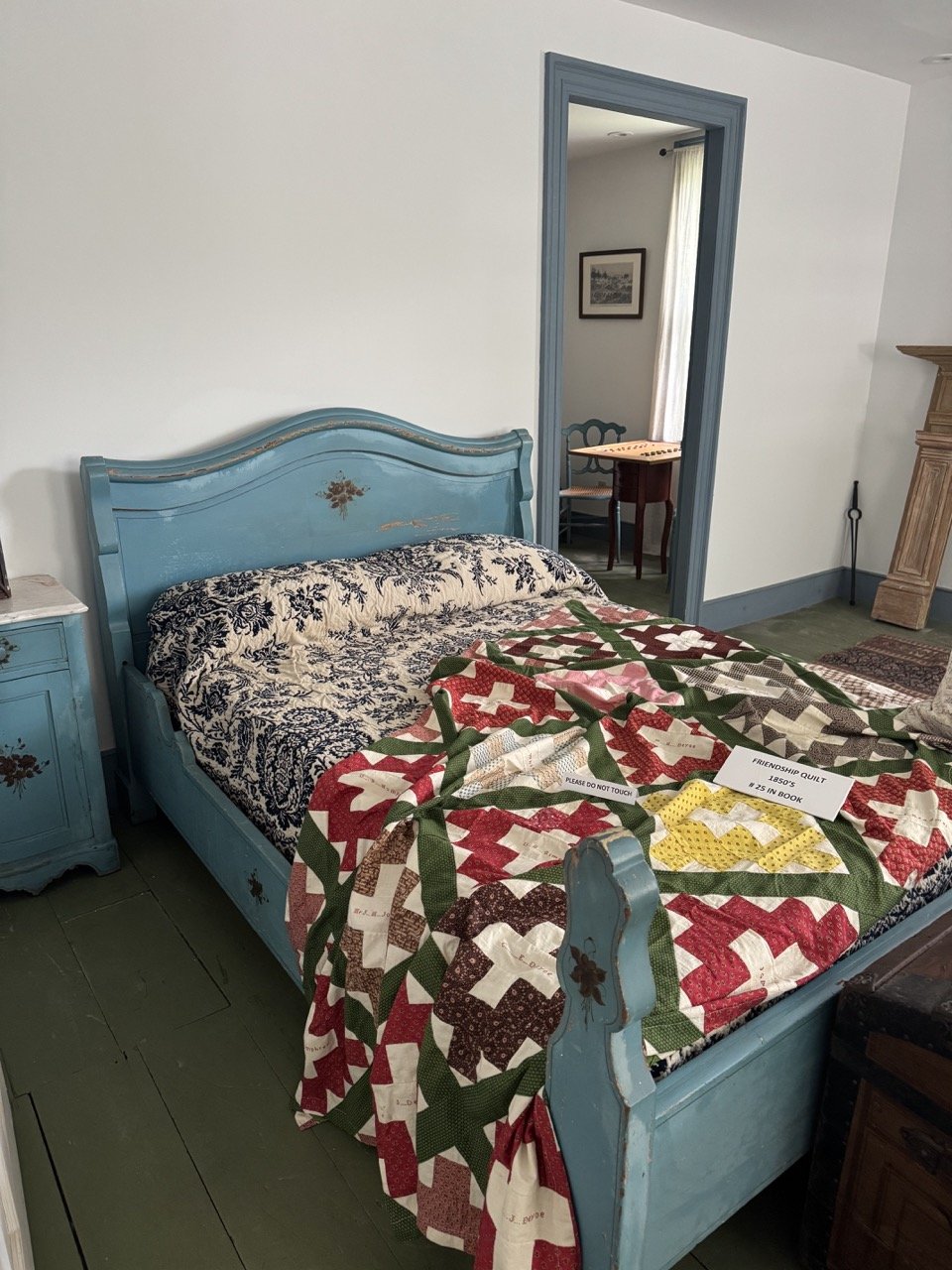
Explore the newly restored rooms of the Zadock Pratt Museum as they might have been decorated during the 1800s. Newly revealed antiques from the museum are on display alongside the much-anticipated exhibit of period quilts. Come learn about the different quilts on display with a quilt guide souvenir for reference.



Whose Folk
Work by Cal Siegel
May 25th through July 28th
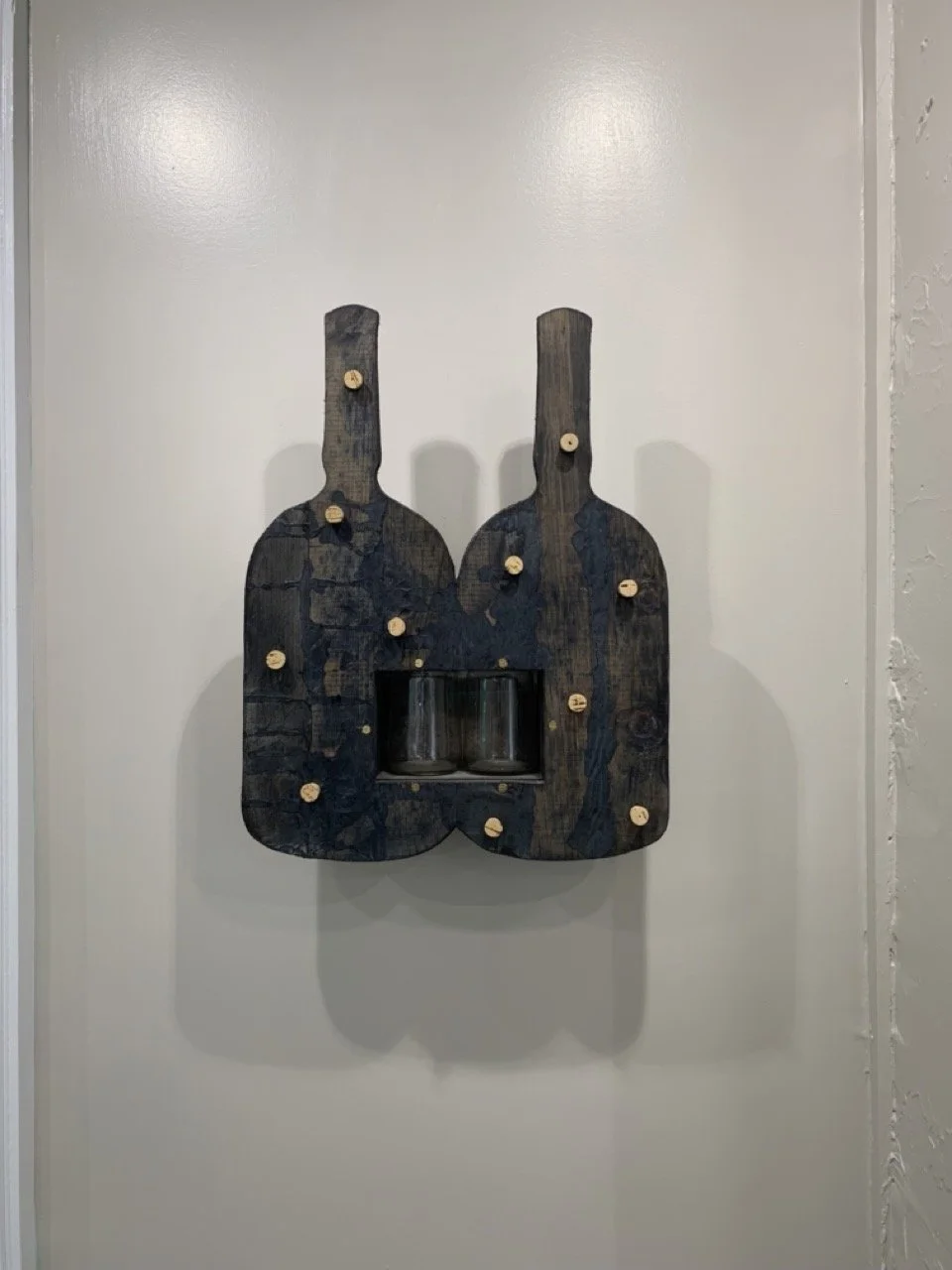
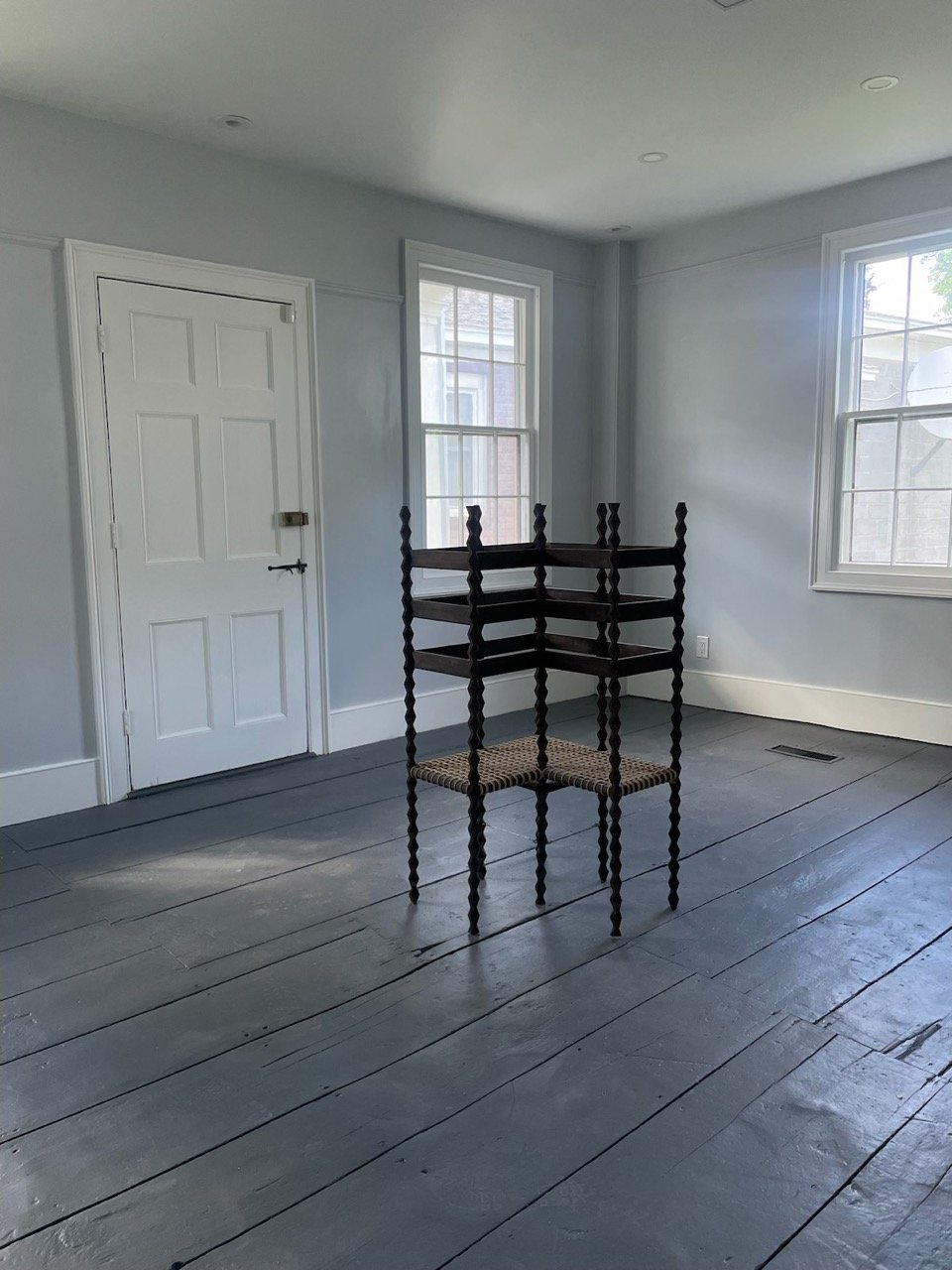
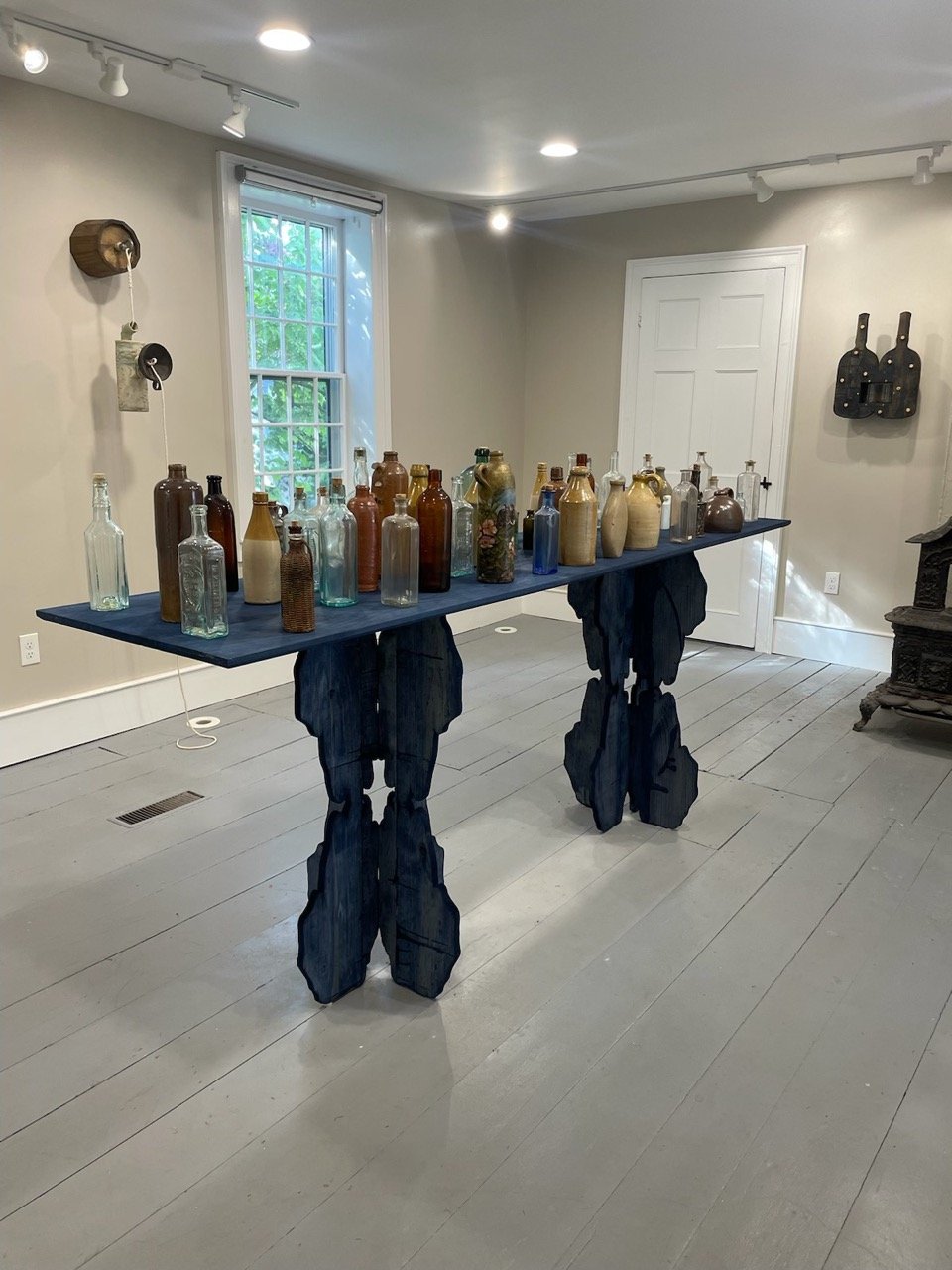
The Zaddock Pratt Museum is pleased to present the first exhibition of our 2024 season. Who’s Folk features work by contemporary artist Cal Siegel in conversation with a curated selection of objects from the museum’s collection. Siegel’s sculptures and photographs – various ceramic and wooden forms, vessels, and wall hangings all refer back to historical architecture and objects with equal parts reverence, humor, and criticality. When displayed alongside historic objects from the Pratt homestead, visitors are asked to consider how the past informs the present.
Opening reception on Saturday, May 25th from 1-6 pm
Panel Discussion with the artist Saturday, July 20th from 4-6 pm
View the Gallery Guide →
Whose Folk
Companion Essay
—Victoria Horrocks
With every object displayed within the Zadock Pratt house, I experience a charged encounter with the past. The exterior walls of Pratt’s home may be covered in white shiplap, but the inside is rife with the traces of a historic world preserved for all to experience. In the words of Germantown-based artist Donna Dennis: “The room is the world and is the inside of the house.” Standing in Pratt’s living room, meeting the gaze of family members’ portraits, I am transported to the time in which he lived and simultaneously brought forth into the present through Siegel’s work. Collapsing time and creating a world unto itself, Whose Folk negotiates the house’s historic and contemporary presences.
Siegel’s sculptural interventions made of wood, metal, and found items evoke objects from the museum’s collection. A piece hanging in the room off the kitchen titled It did it did it did it from 2024 bears a woven pattern carved into wood that conjures a mounted basket in the bedroom upstairs. The use of funnels, lamp parts, and a jam jar lid in Siegel’s work recall corroded kitchen utensils and The Pratt Museum’s collection of bespoke bottles. In the living room, horns sitting upright on Siegel’s hand-crafted wooden stands embody old cries from the community and direct them down to the earth, as if poised toward their roots, looking backward in time.
Behind the Greek-revival columns of the building’s facade resides a nineteenth-century home left in Pratt’s memory. Where the traditional museum isolates the art object from its context, presenting it in a gallery unencumbered by its natural surroundings, the house museum does quite the opposite. Art critic Brian O’Doherty analyzed the “white cube model” of the modern-day museum as one that does not allow the “outside world” to come in. It seals off the windows, paints the walls white, and uses artificial light to spotlight objects and renegotiate their relationship to the viewer. In the traditional museum, art is totally divorced from life.
The Zadock Pratt house, however, blurs the line between art and life. Standing inside the familiar space of a home, I am intimately acquainted with both the historic objects from the collection and Siegel’s contemporary creations. Rather than being estranged from their context, the works in Whose Folk speak directly to it. The assortment of seemingly banal objects Siegel has selected feel endowed with the profound presence of their collector and those who used them across time. A pre-industrial grinding stone, possibly used for food processing by the Mohawk or Munsee who were known to have inhabited the land the museum now occupies, is arranged in the bank gallery on Siegel’s, Dad’s Home III sculpture. A set of Toby Jugs—collectable mugs with a legacy dating back to 18th-century England—hang from Siegel’s bar and depict the face and flopped hat of Washington Irving’s Rip Van Winkle. The horns on the mantle in the front room were played during the Anti-Rent War, a local movement of white tenant farmers mobilized in rural, upstate New York from 1839 to 1845 that appropriated American Indian dress and ritual.
The poet Susan Stewart writes that the collection and display of objects in house museums become a projection of a larger communal ideal. She argues that collected objects have the ability to convey the values of a generation or a social history of a period of time. Indeed, when I encounter the objects in the museum’s collection, I detect centuries of use both past and present. I sense lives the objects have touched and endured. Although the house may have belonged to Pratt, through it I connect to larger narratives of local and national histories. Siegel’s work seems to coax these narratives out and acknowledge a lineage of collective use that continues into the present.